
Can Fruit Make You Thin? The Science Behind Dieting With Fruit
Dieting with Fruit
Lose weight by eating a healthy, well-balanced diet, including lots of fresh fruit that makes you thin while also supplying the body with an invaluable dose of vitamins and minerals. You shouldn't go on a fruit-only diet to lose weight, but grabbing a peach or pear instead of a package of chips or cookies for a snack and enjoying a bowl of fresh berries or grapes for dessert instead of high-calorie sweets is going to help.In conjunction with a balanced, low-fat diet as well as regular exercise, fruit can give your weight loss plan that extra kick. As an added benefit fruit not only makes it easier to lose weight, but it is enjoyable to eat. Go for the sweet, juicy, intoxicating, low-calorie, nutrient-dense piece of fruit.Why Fruit Works
How can fruit help to make you thin? There are several characteristics of this food group that make it valuable for weight loss. Fruits tend to be high in both fiber and water. They are filling and satisfying, without a lot of calories. Like vegetables, fruits are low-energy-dense foods. You can eat lots of low energy density foods and still lose weight. Eating lots of fresh strawberries, cucumbers, apples and broccoli is not going to cause weight gain. Foods with a high energy density, such as meats, nuts and dairy products (not low-fat dairy products) still do have nutritionalValue, but they should only be consumed in moderation, such as a handful of nuts, a glass of milk and one serving of meat or poultry in a day.
Other then creating a feeling of fullness due to water and fiber, thus curbing the desire to eat more than is necessary, fruit also helps because it is sweet. Eating plenty of fruit will curb your desire for cookies, muffins, chocolate and that extra spoonful of sugar in your coffee or tea. You may not crave a plum or slice of melon at first if you have a sweet-tooth, but if you start eating more fruit whenever you do think about an unhealthy sweet treat, over time you will no longer have the cravings for sugary, high-calorie foods.Research on Fruit
According to a study performed by the Department of Psychology at Utah State University, there is a relationship between fruit consumption and weight loss. The study involved 77 participants who were either overweight or obese. After six months of assessment, researchers found that eating fruit did contribute to lower body mass index. Eating more fruit showed a greater reduction in body weight.
In another study that focused on helping people lose weight and improve blood pressure and blood cholesterol levels, the Multiple Risk Factor Intervention Trial, discovered that an increase in fruit and vegetable consumption increased weight loss. As with the other study, participants who consumed the most fruits and vegetables experienced the greatest weight improvements.Tips for Using Fruit for Healthy Weight Management
Eating lots of fruit can help you reach and maintain your weight loss goals. Which fruit makes you thin? How much should be consumed? How should fruit be consumed?
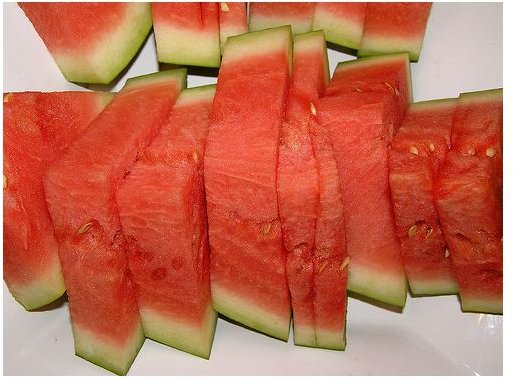
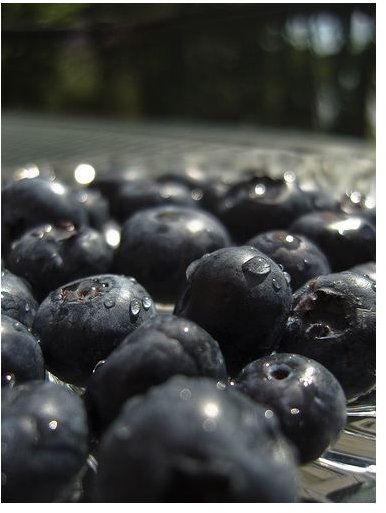
Most fruits have a low energy density. There are a few exceptions, such as avocados, which are high in fat. (Don't exclude avocados from your diet however as they are a great source of healthy omega oils, nutrients and fiber!) Grapefruit, strawberries, blueberries, peaches, pears, plums, mangos, apples, nectarines, grapes, papaya, pineapple, melons and bananas are all great food choices for healthy eating.
The CDC now recommends daily fruit and vegetable intake to reflect your overall nutritional needs based on age, gender and activity level. For example, a moderately active, thirty-year old woman should consume two cups of fruit per day. A twenty year-old male who is very active should consume two and one-half cups. Try to get two to four servings in a day, such as a banana at breakfast, an apple with lunch and freshly sliced mangos with lime juice for dessert. Make sure you are also consuming just as many, if not more, fresh vegetables throughout the day. Of course don't forget to include a daily helping of nuts and seeds, several servings of grains, some low-fat dairy products and lean proteins in your diet as well.
To help with weight loss the best fruit you can eat is whole, fresh fruit. Canned or frozen fruit is still nutritious when fresh is not available, but be wary of fruit that is packaged with sweeteners or other ingredients. Dried fruit is definitely good for you, but it has a higher energy density. Some fruit juice is beneficial as well, but stay away from processed, high-sugar juices.

References
Mayo Clinic (http://www.mayoclinic.com/health/weight-loss/NU00195)"Effects of fruit consumption on body mass index and weight loss in a sample of overweight and obese dieters enrolled in a weight-loss intervention trial." Nutrition, Jul-Aug 2010, US National Library of Medicine (http://www.ncbi.nlm.nih.gov/pubmed/20022464)
"Can eating fruits and vegetables help people to manage their weight?" (www.cdc.gov/nccdphp/dnpa/nutrition/pdf/rtp_practitioner_10_07.pdf)
CDC (http://www.fruitsandveggiesmatter.gov/)
Weight-loss basics
By Mayo Clinic staff Your weight is a balancing act, and calories are part of that equation. Fad diets may promise you that counting carbs or eating a mountain of grapefruit will make the pounds drop off. But when it comes to weight loss, it's calories that count. Weight loss comes down to burning more calories that you take in. You can do that by reducing extra calories from food and beverages and increasing calories burned through physical activity.Once you understand that equation, you're ready to set your weight-loss goals and make a plan for reaching them. Remember, you don't have to do it alone. Talk to your doctor, family and friends for support. Also, plan smart: Anticipate how you'll handle situations that challenge your resolve and the inevitable minor setbacks.
If you have serious health problems because of your weight, your doctor may suggest weight-loss surgery or medications for you. In this case, you and your doctor will need to thoroughly discuss the potential benefits and the possible risks.
But don't forget the bottom line: The key to successful weight loss is a commitment to making permanent changes in your diet and exercise habits.
Energy density and weight loss: Feel full on fewer calories
Choosing foods that are less concentrated with calories — meaning you get a larger portion size with a fewer number of calories — can help you lose weight and control your hunger.
By Mayo Clinic staff Feel full on fewer calories? It might sound like another gimmick for weight loss, but it's not. Rather, it's putting the concept of energy density into practice to help with your weight loss. In fact, well planned weight-loss diets, such as The Mayo Clinic Diet, use the concept of energy density to help you lose weight and keep it off long term.Weight loss with more food, fewer calories
Simply put, energy density is the number of calories (energy) in a specific amount of food. High energy density means that there are a lot of calories in a little food. Low energy density means there are few calories in a lot of food.
When you're striving for weight loss, the goal is to eat low-energy-dense foods. That is, you want to eat a greater volume of food that's lower in calories. This helps you feel fuller on fewer calories. Here's a quick example with raisins and grapes. Raisins have a high energy density — 1 cup of raisins has about 434 calories. Grapes have a low energy density — 1 cup of grapes has about 104 calories.
The keys to energy density and weight loss
Three main factors play a role in what makes food high or low in energy density:- Water. Many fruits and vegetables are high in water content, which provides volume and weight but not calories. That's why they're low-energy-dense foods. Grapefruit, for example, is about 90 percent water. Half a grapefruit has just 39 calories. Raw, fresh carrots are about 88 percent water. Half a cup has only about 25 calories.
- Fiber. High-fiber foods not only provide volume, but also take longer to digest, making you feel full longer on fewer calories. Classic examples are vegetables, fruits and whole grains.
- Fat. Fat is high in energy density. One teaspoon of butter, for example, contains almost the same number of calories as 2 cups of low-energy-dense raw broccoli. Most fruits and vegetables don't contain a lot of fat. Foods that contain fat naturally, such as dairy products and various meats, or foods with added fats are higher in calories than their leaner or lower fat counterparts.
Energy density and the food pyramid
Changing lifestyle habits is never easy, and creating an eating plan using the energy-density concept is no exception. The first step is knowing which foods are better options when it comes to energy density. Here's a look at energy density by the categories in the Mayo Clinic Healthy Weight Pyramid.- Vegetables. Most vegetables are low in calories but high in volume. Examples include — salad greens, asparagus, green beans, broccoli and zucchini. To add more vegetables to your diet, top your pasta with sauteed vegetables instead of meaty or cheesy sauces. Decrease the meat portion on your plate and increase the serving of vegetables. Add vegetables to your sandwiches. Snack on raw vegetables.
- Fruits. Practically all types of fruit fit into a healthy diet. But some fruits are lower calorie choices than others are. Whole fresh, frozen and canned fruits without added sugar are good options. In contrast, fruit juices and dried fruits are concentrated sources of natural sugar and therefore have a high energy density — more calories — and they don't fill you up as much. To fit more fruits into your diet, add blueberries to your cereal in the morning. Try mango or peach slices on whole-wheat toast with a little peanut butter and honey. Or toss some mandarin orange and peach slices into a salad.
- Carbohydrates. Many carbohydrates are either grains or made from grains, such as cereal, rice, bread and pasta. Whole grains are the best option because they're higher in fiber and other important nutrients. To include more whole grains in your diet, simply choose whole-wheat bread, whole-wheat pasta, oatmeal, brown rice and whole-grain cereal instead of refined grains.
- Protein and dairy. These include food from both plant and animal sources. The healthiest low-energy-dense choices are foods that are high in protein but low in fat and calories, such as legumes (beans, peas and lentils, which are also good sources of fiber), fish, skinless white-meat poultry, fat-free dairy products and egg whites.
- Fats. While fats are high-energy-dense foods, some fats are healthier than others. Include small amounts of healthy monounsaturated and polyunsaturated fats in your diet. Nuts, seeds, flax oil, and vegetable oils, such as olive and safflower oils, contain healthy fats.
- Sweets. Like fats, sweets are typically high in energy density. Good options for sweets include ones that are low in added fat and that contain healthy ingredients, such as fruits, whole grains and low-fat dairy. Examples include fresh fruit topped with low-fat yogurt, a cookie made with whole-wheat flour or a scoop of low-fat ice cream. The keys to sweets are to keep the serving size small and the ingredients healthy — even a piece of dark chocolate fits.


